
Last updated August 26, 2026
Free on-site gate assessment - hinges, posts, and your LiftMaster or Nice gate operator checked before anything is quoted
The assessment is free and the quote is the invoice.
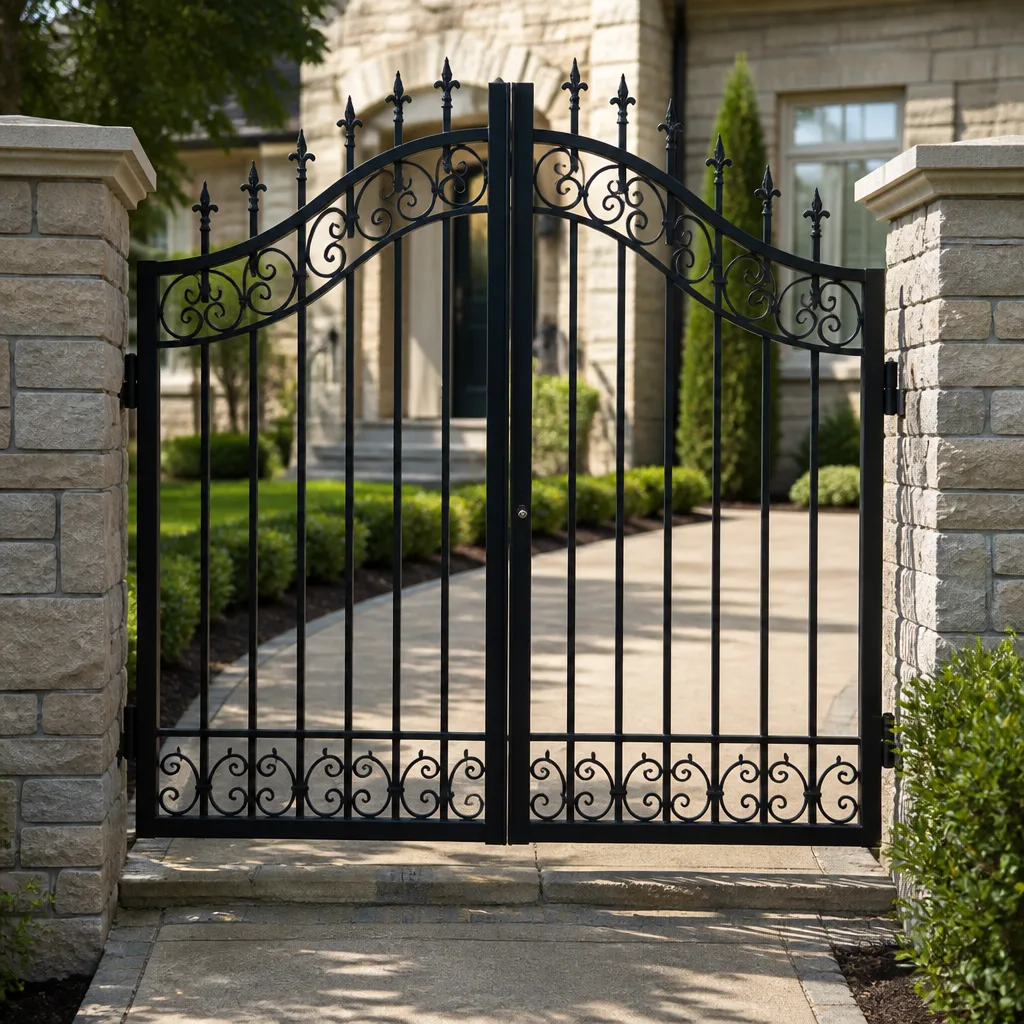
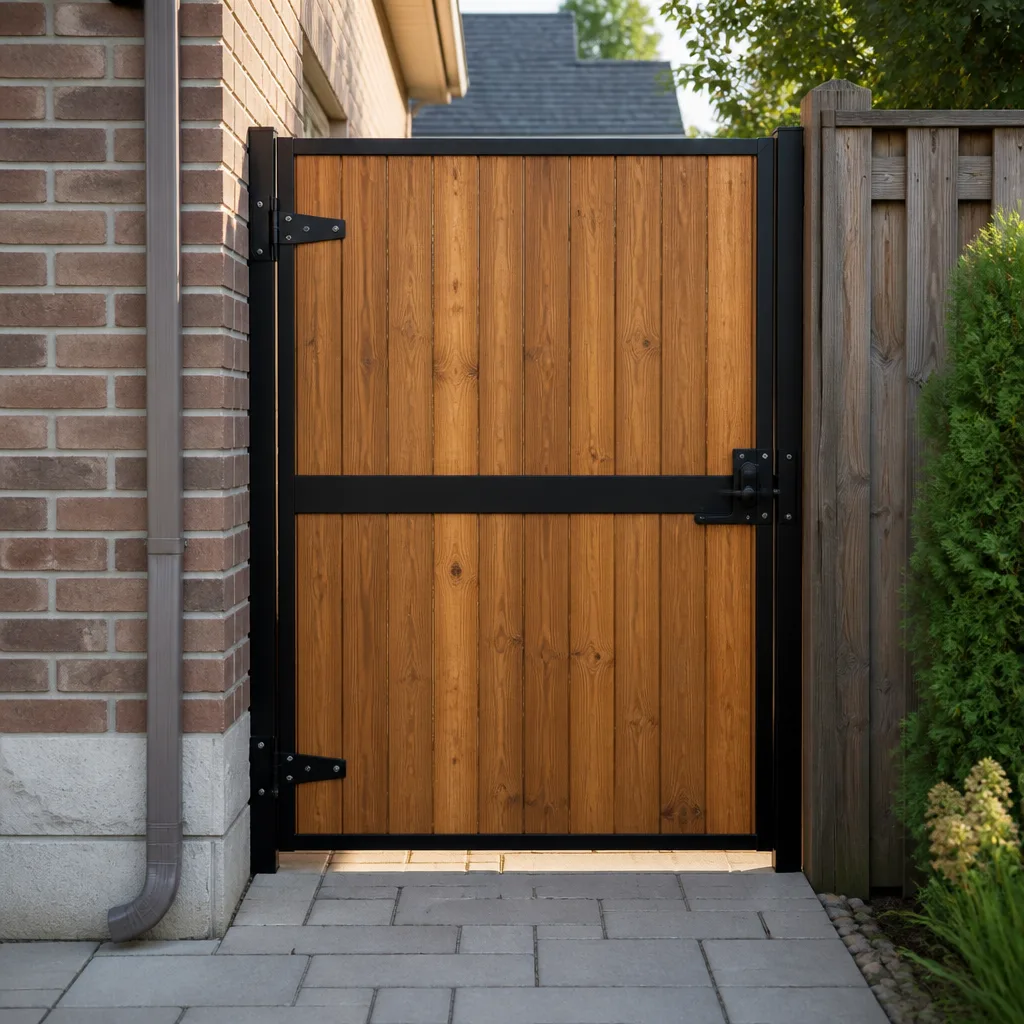
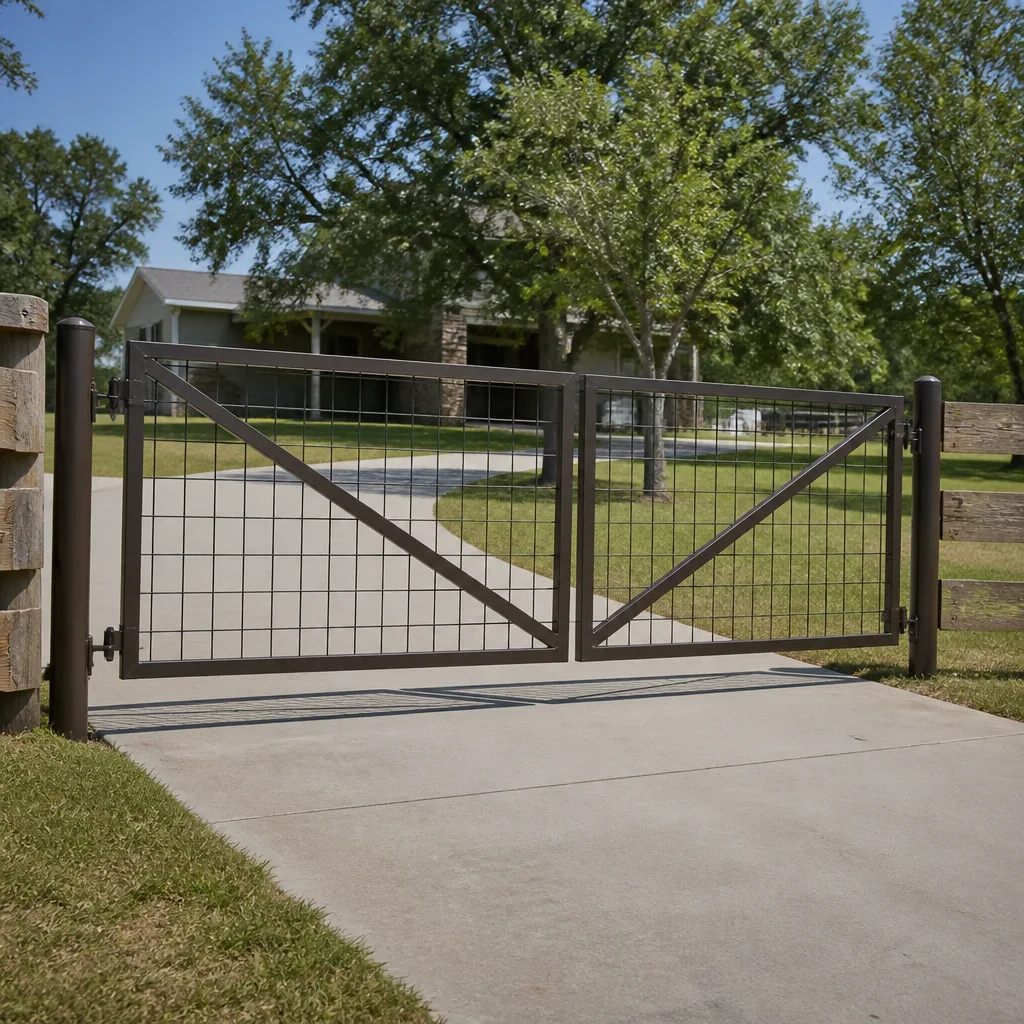
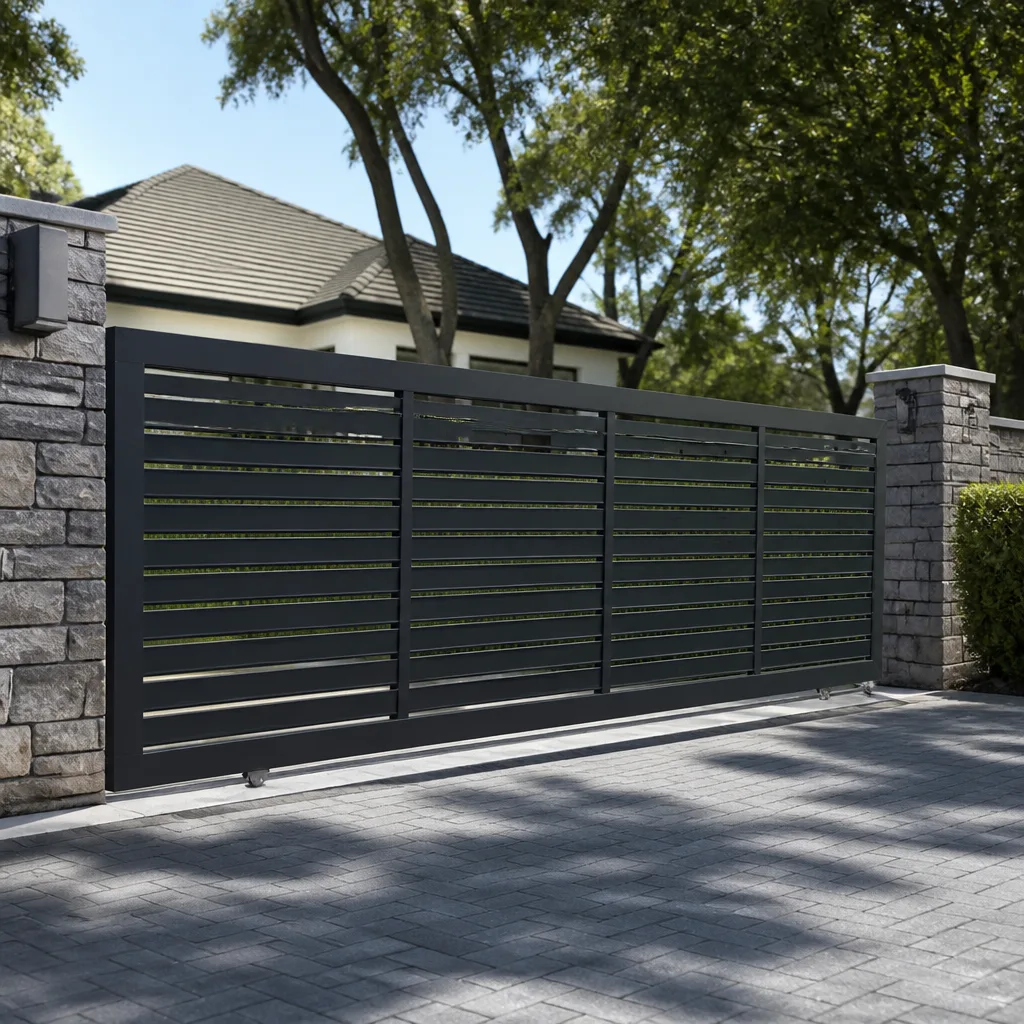
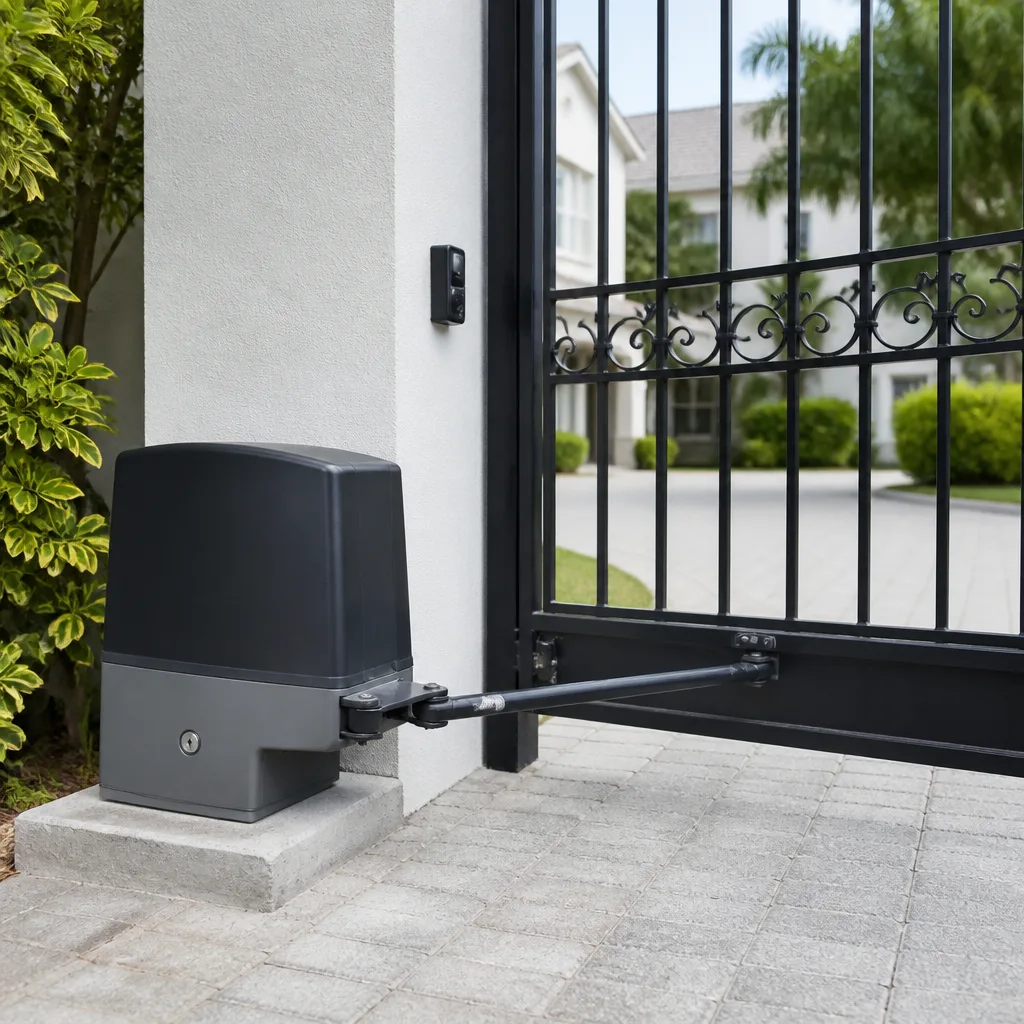
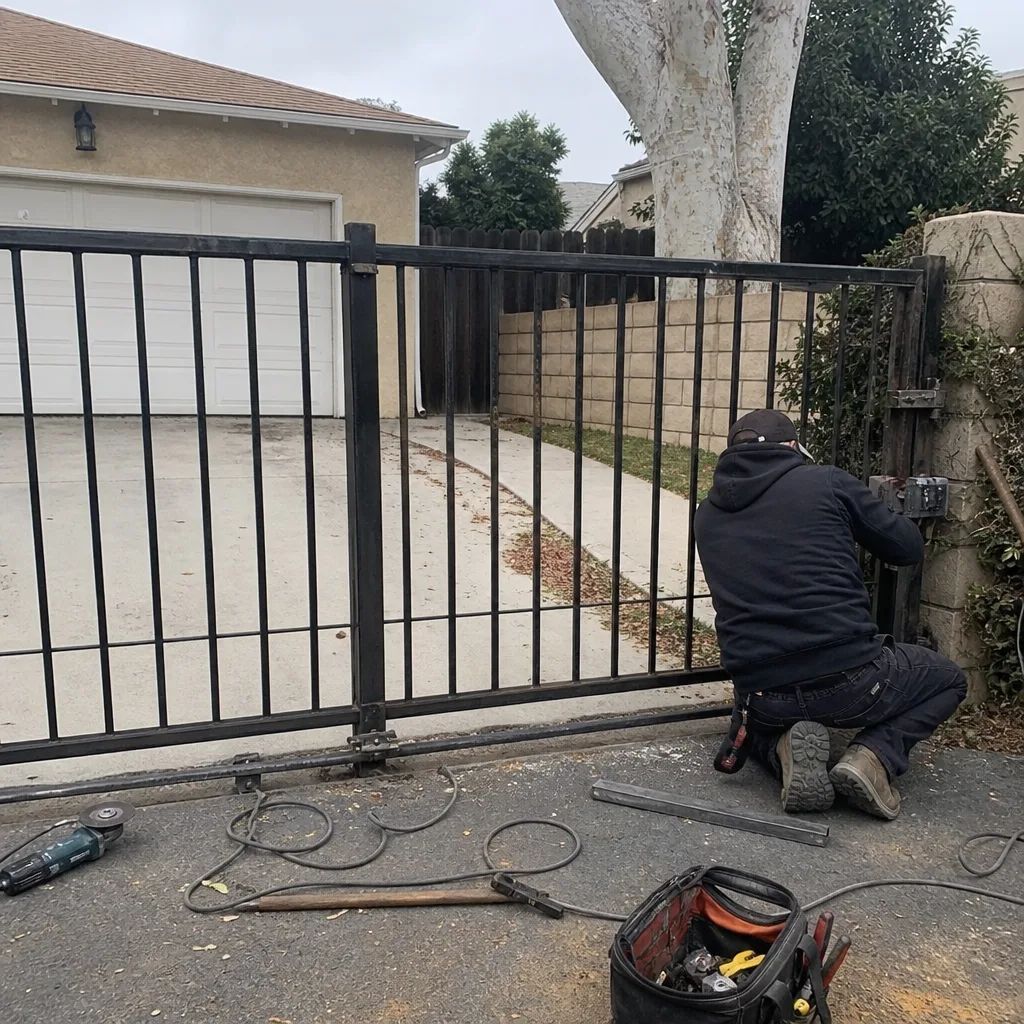 Before
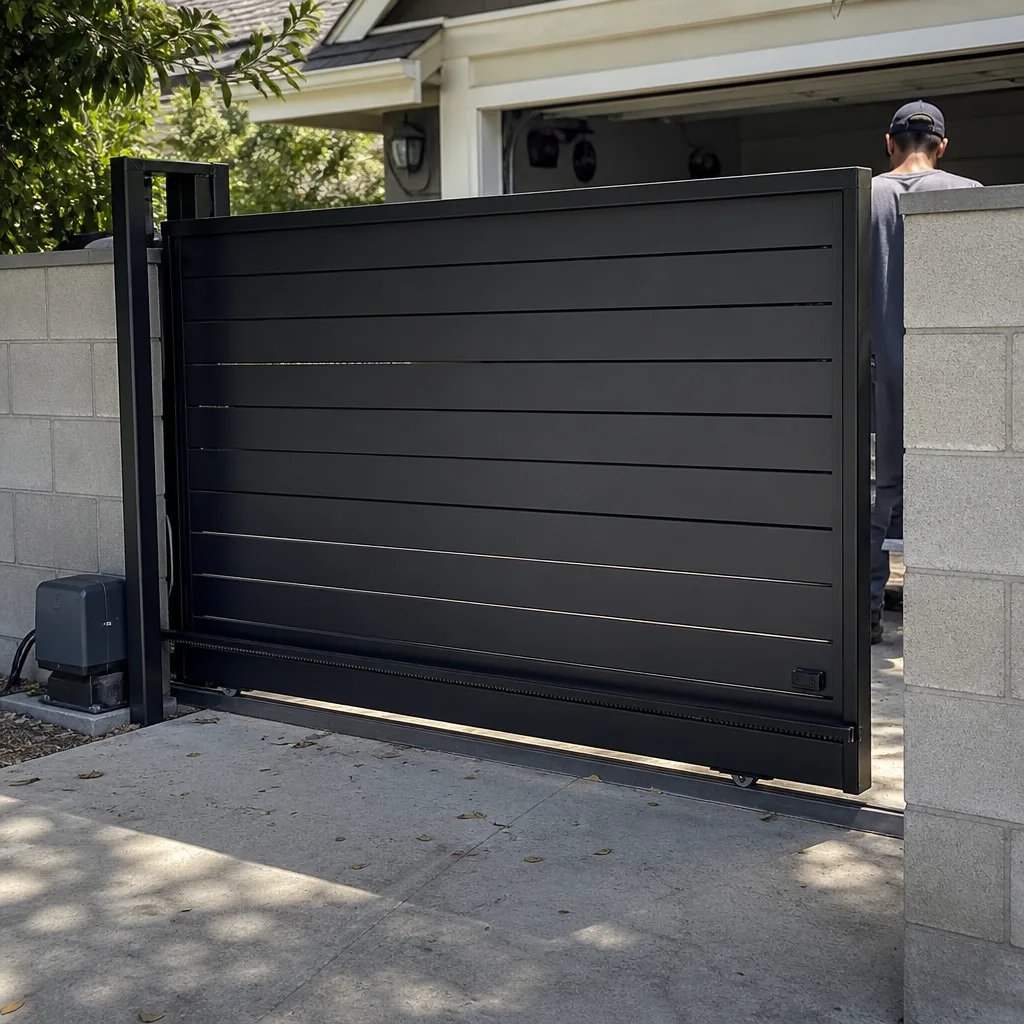 After
After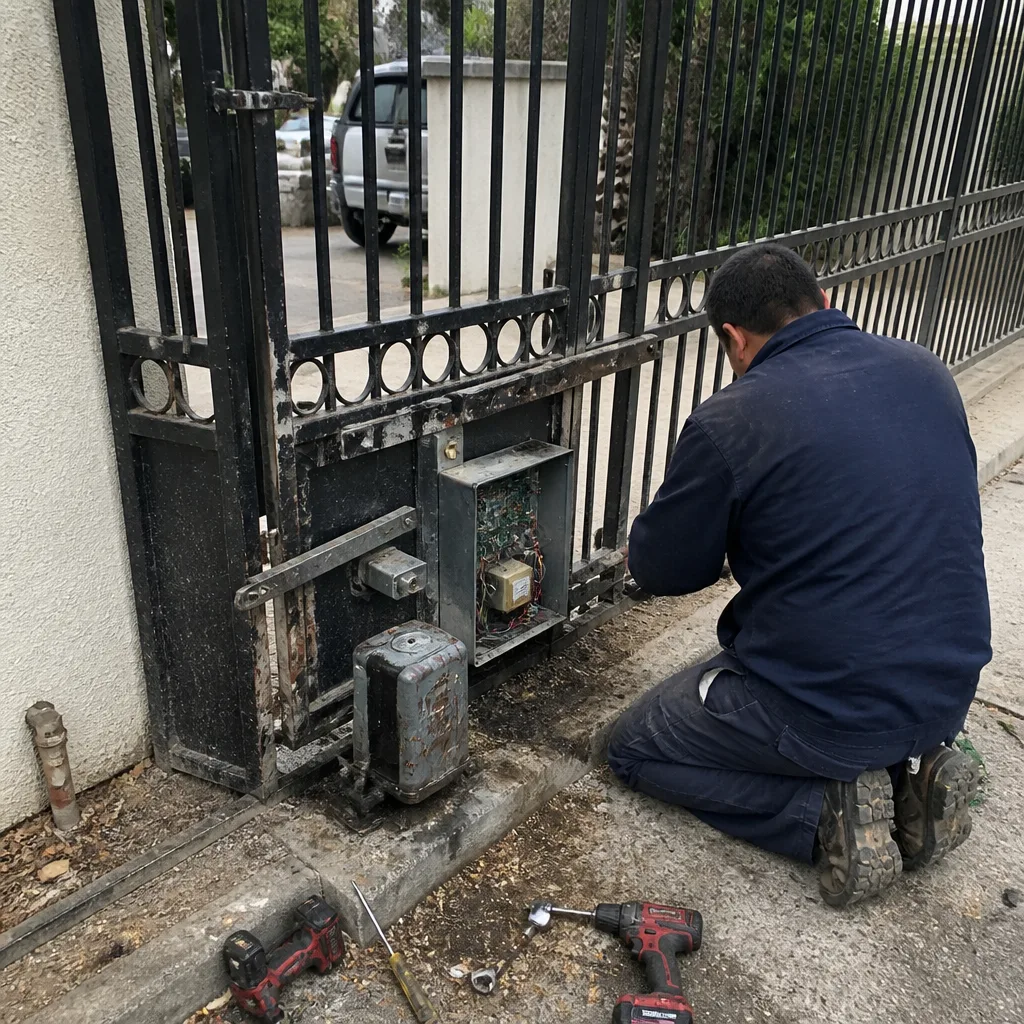 Before
 After
After Before
 After
AfterThe Complete Guide to Gate Repair in Granada Hills
The Santa Ana winds that roll through the San Fernando Valley put 40-plus mph lateral stress on a gate that was hung for calm-weather use. Most gates installed in Granada Hills were never engineered for that kind of abuse. This guide covers why gates fail here specifically, how to tell the difference between a broken part and a shifting foundation, and how to stop paying for the same repair twice. For more on this topic, see our DIY vs Professional Gate Repair: The Granada Hills Homeowner’s Decision Guide. If you live in Granada Hills long enough, you will deal with a gate that sags, grinds, or stops halfway. Here is what is actually going on.
Quick Answer
Gate Repair Cost Breakdown: The Granada Hills Homeowner’s Reference for 2026 - Gate repair in Granada Hills costs between $180 and $850 for most common problems, with motor and opener replacement running $450 to $1,600. The three root causes behind most failures here are caliche soil shifting under gate posts, Santa Ana wind loads bending hardware and hinges, and hard water corroding circuit boards and limit switches. A repair that corrects the foundation and the hardware at the same time lasts years; one that only patches the visible symptom almost always fails within six months.
Table of Contents
- Why Granada Hills Soil Destroys Gate Posts
- What Santa Ana Winds Do to Gate Hardware
- Hard Water and Gate Motor Electronics
- On-Site Welding vs. Bolt-On Patch Plates
- Which Gate Repairs Need a Permit in LA County
- How to Read a Gate Repair Quote
- What You Can Safely Check Yourself
- The Most Common Misdiagnosis in Granada Hills
Why Granada Hills Soil Destroys Gate Posts
Granada Hills sits on caliche, a calcium-carbonate hardpan that forms a few feet below the surface. It is deceptive. The topsoil looks normal. You dig down two or three feet and hit a layer that resists water, so moisture pools above it and saturates the upper soil every winter. Then summer bakes it dry. That cycle, swelling and shrinking, works a gate post like a loose tooth. Within five or ten years, a post that was perfectly plumb has leaned two or three degrees. The gate sags after that, no matter how well the hinges were installed.
We have pulled posts in Granada Hills that looked fine above ground and found the concrete footing cracked below the soil line. The post itself was not bent. The footing was fractured lengthwise, which let the entire assembly rock in the wind. This matters because a lot of repair work gets aimed at the wrong target. Somebody straightens the gate leaf, tightens the hinges, and a month later the sag is back. The failing component was never the gate. It was the footing.
Here is what we look for when diagnosing a leaning or sagging gate in Granada Hills:
- Gap between the post and the surrounding concrete apron that opens and closes with the seasons.
- Hairline cracks running vertically down the footing, visible after removing a few inches of soil.
- A gate that binds at the latch in summer but swings freely in winter.
- Hinges that show wear on only one leaf, which means the other post is carrying the entire load.
If the footing has failed, the repair has to address the post foundation first. That usually means cutting the post free, drilling out the old footing, setting a new one with proper drainage below the frost line, and re-hanging the gate. It costs more than a hinge swap, but it stops the cycle. We see lots of Granada Hills homeowners who paid for hinge replacements three times before anyone looked at the footing.
What Santa Ana Winds Do to Gate Hardware
Santa Ana winds are not just strong. They are gusty and sustained, which is harder on a gate than a steady breeze. A steady wind pushes a gate in one direction and lets it rest. A gust pattern loads and unloads the hardware hundreds of times an hour. That is metal fatigue, and it shows up in predictable places: hinge bolts that elongate their holes, pickup points that wallow out, and motor brackets that crack along the weld.
In Granada Hills, we regularly replace hinge bolts that have been eaten halfway through by the gate leaf rocking against them. The homeowner sees a gate that sags and assumes the wood or steel is bent. Often the panel is fine. The bolts are the sacrifice. Same with motor brackets. A gate motor and opener bolted to a cracked bracket will strip its own gears because the drive is fighting a misaligned pivot. We see that on LiftMaster and Mighty Mule openers all the time.
Here is the sequence we follow when wind damage is the suspected cause:
- Check the hinge bolts for visible play by lifting the gate at the latch end. Any movement at the hinge means the bolts or the hinge barrels have worn.
- Inspect the motor bracket for cracks, especially where the bracket meets the post. A cracked bracket flexes under load and destroys gear alignment.
- Look at the gate leaf itself for signs of bowing along the top rail. A bowed rail pulls the latch out of alignment.
- Verify the gate stops. Wind slams a gate against its stops; missing or deteriorated stops allow overtravel that bends hinges and breaks welds.
The fix depends on what failed. Sometimes it is as simple as replacing worn hinge bolts with a heavier grade and re-bushing the hinges. Sometimes the entire hinge post has shifted and needs to be reset. We have also replaced a lot of short, light-gauge hinges with full-length barrel hinges that distribute the wind load across the entire gate edge. A gate hung for Granada Hills wind needs hardware that can take a beating, not the light residential stuff sold at big-box stores.
Hard Water and Gate Motor Electronics
Granada Hills water comes from the Los Angeles Aqueduct and, depending on your exact neighborhood, from local groundwater wells. Both sources are hard. Mineral scale builds up on circuit boards inside gate operators, especially on the low-voltage side where condensation occurs. We open motor cabinets here and find a white crust across the back of the control board. That crust is conductive enough to short a limit switch or a relay. The motor runs. The gate stops responding. The homeowner assumes the motor burned out.
It usually has not. A hard water short on a control board is one of the most repairable problems we see, which makes it also one of the most misdiagnosed. A gate motor that was replaced because of a corroded board was likely a $200 repair sold as a $900 replacement. Before you authorize a new motor, ask the person looking at the gate whether they inspected the board for mineral deposits. If they have not, get a second opinion.
In our experience, the sequence looks like this:
- The gate stops responding to the remote or the keypad, or it only works intermittently.
- The motor still hums when activated manually, proving the windings are alive.
- The control board shows white or green corrosion on the solder joints, especially near the transformer.
- The limit switches need cleaning or replacement, and the board needs a mineral-safe sealant.
We have serviced DoorKing, Elite, LiftMaster, and BFT operators in Granada Hills with this exact failure pattern. The brand matters less than the environment. Keep the operator cabinet closed, replace the weather seal when it gets stiff, and check for condensation after heavy rain. An operator that never gets wet can still corrode here because the air inside the cabinet cycles through dew point every morning.
On-Site Welding vs. Bolt-On Patch Plates
When a steel gate cracks, you have two ways to fix it. One is to bolt a patch plate across the crack. The other is to weld the crack closed on site. Both have their place, but they are not interchangeable. A patch plate is fast and works when the crack is in a flat, accessible section of the gate. It prevents the crack from spreading by bridging it. But a patch plate on a hinge point or a motor bracket concentrates stress at the new bolt holes. You have just moved the failure point instead of fixing it.
On-site welding changes the equation because the repair becomes part of the original metal. The gate stays in your driveway, which matters. A gate that gets hauled to a shop gets re-hung, which means re-leveling, re-plumbing, and re-aligning everything. Do all that and you might as well have installed a new gate. When the crack is in a structural member, a hinge, or a motor mount, welding is the repair that lasts. A gate repair in Granada Hills that involves welding should not require taking the gate off your property.
When each approach makes sense:
- Weld it when the crack is on a hinge, a motor bracket, a structural rail, or any point that carries weight or torque.
- Bolt a patch plate when the crack is in a decorative panel or a non-load-bearing section, and only as a temporary measure.
- Never weld a cast iron part. Cast iron welds poorly without preheating and special rod; most residential gate hardware that breaks is not worth welding.
- Check for cracking around existing patch plate bolts. If a previous repair put a plate over a structural crack, the bolt holes are now stress risers.
Hal has welded gates in Granada Hills driveways since before most of the houses around here were built. He carries his welder on the truck. The point of on-site welding is not to avoid a trip to the shop. It is to avoid disturbing a gate that was already hung straight.
Which Gate Repairs Need a Permit in LA County
This question comes up constantly, and the answer is less scary than most people assume. Under Los Angeles County code, repairing a gate in kind does not require a permit. Replacing a hinge, a motor, a wheel, or a panel, or repairing the existing structure, falls under ordinary maintenance. You do not need a permit, and any contractor who tells you otherwise is either confused or padding the estimate with a fake fee.
A permit does become relevant when you change the scope of the installation. If you are widening the driveway opening, changing the gate from a swing to a slide, pouring a new footing beyond the footprint of the old one, or adding an automatic opener where there was not one before, the county may want a plan check. That is an installation issue, not a repair issue. For a gate installation of any real size, checking with the city is worth the phone call. For a repair, the county stays out of it.
The practical rule: if you can describe the work as replacing what is already there, you are repairing. If you are changing how the gate operates or where it sits, you are installing. The distinction matters for your budget and for your timeline. For most Granada Hills repair jobs, no permit means no plan check, no waiting, and no added fee.
How to Read a Gate Repair Quote
A repair quote tells you whether the person quoting it understands what actually failed. We have seen quotes from other companies, here in Granada Hills and all over the Valley, that list the same three tasks for every job: adjust gate, replace hinges, re-align opener. That is a symptom checklist, not a diagnosis. A real diagnosis names the part, the failure mode, and the underlying cause.
Here is how to read what you are handed:
- Does the quote name a specific failed part? “Replace gate operator” is vague. “Replace limit switch on LiftMaster LA500” is a diagnosis.
- Does it explain why the part failed? If the quote does not mention wind, soil, water, or wear, the contractor has not looked past the symptom.
- Does it include the foundation? If your gate sags and the quote does not mention the post or footing, the repair will not last.
- Are the labor hours itemized? A quality quote shows labor separate from parts, even if it is just a single line item.
- Is the warranty in writing? Our 90-Day Done Right Promise is printed on every invoice. If a contractor will not put a warranty in writing, their word is not a warranty.
A fair quote should also be a fixed quote. You should know exactly what you will pay before any work starts. That is how we write every estimate. If the person quoting you says they will need to “see how it goes” and figure out the price afterward, call someone else. You are not buying a mystery.
What You Can Safely Check Yourself
We are going to be straight with you about what to touch and what to leave alone. A manual gate on a residential lot, you can check a lot of things yourself. An automatic gate operator that runs on 120-volt power and opens a 400-pound gate, that is a different story. If you are going to check anything electrical, kill power at the breaker first, and understand that a gate under spring tension or raised off its track can drop on you. High-tension springs and cables carry enough stored energy to break bones. Do not attempt to remove or adjust garage-style torsion mechanisms on a gate without the right tools and training.
Here is what a homeowner can do before calling us:
- Watch the gate run one full cycle. Does it move evenly? Does it hesitate, shudder, or jerk at any point? Note exactly where the problem happens.
- Check the track or the hinge area for debris. Caked dirt and leaves are the cheapest and most common cause of a gate that binds.
- Look for loose bolts. Hand-test each hinge bolt with a wrench, but do not remove them all at once. One at a time.
- Check the battery backup, if you have one. Many operators have a small battery that shows a red or yellow indicator when it needs replacing.
- Note whether the problem happens only after rain, only in wind, or only in specific temperatures. That pattern tells us more than a photo ever will.
If the gate is off its track, hanging at an angle, or making a grinding noise from the motor, stop. Do not run it again. Shut off the breaker and call a professional. A gate that is compromised can fall while you are inspecting it, and an operator that is grinding is destroying its own gears. Every time you run it, the repair gets more expensive.
The Most Common Misdiagnosis in Granada Hills
We get called out for second opinions all the time, and the most common thing we find is a gate that was straightened, lubed, and adjusted when the footing had already failed. That is the repair that wears out in six months. Not because the work was sloppy, but because the work was aimed at the wrong problem. A gate sags in the hinge post, not in the middle, and that is where the fix has to start. Fix the panel without the post and you will fix it twice.
The second-most common misdiagnosis is the opposite: a post that is fine, but hinges that were never rated for the gate’s weight. Somebody looked at the sag, blamed the post, and spent thousands resetting a footing that was never the problem. The hinge barrels were getting crushed instead. In Granada Hills, with the wind loads we get, hinge sizing matters more than most installers want to admit.
The lesson here is simple. Before you pay for any repair, ask one question: “What specifically failed, and why?” If the answer is a shrug and a list of generic tasks, get a second opinion before you write the check. A second opinion is free from us, by the way. If you have a written estimate from another company, bring it in or send it over. Hal will tell you whether it makes sense. That is not a sales tactic. It is the only way to keep people from paying for the same repair twice, and we have seen too many Granada Hills neighbors do exactly that.
Common Mistakes to Avoid
- Lubricating a gate that sags. Lubricant is for friction, not gravity. A sagging gate has a structural or foundation problem. Grease will not fix it and will just make everything messy.
- Replacing the motor before checking the power supply. Many “dead” openers in Granada Hills are actually dead transformers, tripped breakers, or corroded connections. Test the easy things first.
- Straightening a bent gate leaf without checking the posts. You can bend a steel rail back, but if the post moved, the gate will bind again before the season changes.
- Ignoring a gate that stops moving when the wind blows. Wind-sensitive gates usually have a misaligned safety sensor or a failing limit switch. The wind is not the problem; it is exposing the problem.
- Replacing a wheel without checking the track. A worn track chews up a new wheel in months. Replace both together, or you will pay for that wheel again.
- Buying hardware from a big-box store and assuming it is heavy enough. Most retail gate hardware is sized for interior doors and light garden gates. A 14-foot driveway gate here needs heavier hardware than the box stores carry.
When to Call a Professional
Call a gate repair professional when the gate will not open or close reliably, when it is off its track, when it makes a grinding or popping noise, when it sags visibly at the latch, or when it has been hit by a vehicle. Also call when the gate works fine but the opener makes a loud gear noise every time it runs; that is a drive train failure in progress. Any time electricity and weight combine, the risk is real. A 300-pound gate is unforgiving. Gatewood Fence & Gate offers free estimates in Granada Hills. Call (760) 361-6706 and Hal will come out, look at the gate, and tell you honestly what it needs. The name is on the shop, and the shop is down the road.
Frequently Asked Questions
Most gate repairs in Granada Hills run between $180 and $850, with motor and opener replacement from $450 to $1,600 depending on the brand and the operator size. A hinge replacement typically runs $180 to $350, a post reset $400 to $900, and a full gate re-hang $350 to $800. We quote every job before work starts, and the price does not change at the door. Call (760) 361-6706 for an exact quote. Estimates are free.
For most common repairs, yes. A broken hinge, a misaligned sensor, a dead remote, a failed limit switch, or a sagging gate leaf can usually be fixed in one visit. Larger jobs like a post reset or a full re-hang sometimes need a second day for concrete to cure before the gate is re-hung. We carry the common parts for the brands we service, including LiftMaster, DoorKing, Elite, and Mighty Mule, so the repair window is usually short. If you need Gate Repair services today, call us and describe the problem; Hal will tell you straight whether he can get it done this afternoon.
A full gate repair covers the gate leaf, both posts, the hinges, the latch and any associated hardware, plus the motor and opener if one is installed. We inspect the entire assembly, not just the symptom, because a hinge failure and a footing failure usually happen together. The repair includes checking the motor’s gear train, the limit switches, the safety edges, and the foundational integrity of both posts. Anything we find that threatens the gate’s operation gets included in the written estimate before we start.
It depends on how the gate was damaged. If a vehicle hit the gate, your homeowners policy or the driver’s auto policy usually covers the repair, minus your deductible. Wind damage from a Santa Ana event is trickier; most policies cover wind-related damage, but a wear-and-tear failure is not. A gate that simply wore out after 15 years is a maintenance expense, not an insurance claim. We can provide a written assessment for your adjuster if you are filing a claim.
In Granada Hills, a wind-sensitive gate usually means the safety sensors or the limit switches are marginally aligned, and the gate’s normal flex in the wind trips the obstruction detection. It can also mean the hinge bolts are worn enough that the gate leans a few degrees under lateral load and binds against the latch. The wind is not the root cause; it is exposing a hardware problem that is already there. Fix the sensor alignment or the hinge wear and the wind stops being a problem.
Yes. We handle the low-voltage power run, conduit, safety sensors, safety edges, keypads, and all the supporting components that make an automatic gate work. That includes troubleshooting existing wiring, running new lines when the old ones have failed, and making sure the safety systems are functional. A gate that closes on a car or a person is a disaster waiting to happen, and we inspect the safety edges on every opener we touch. Call (760) 361-6706 and we will walk you through what your system has and what it needs.
The Bottom Line
Most gate problems in Granada Hills come down to three things: soil that shifts, wind that loads hardware beyond its rating, and water that corrodes electronics. Understanding which one applies to your gate changes the repair from a guess into a diagnosis. Look at the foundation, not just the symptom. Read the quote to see whether the contractor actually found the cause. And if the gate sags, check the posts before you pay anyone to straighten the leaf. Gatewood Fence & Gate has been fixing gates in Granada Hills since 2001. We weld on site, we answer the phone, and we stand behind every job with a 90-Day Done Right Promise in writing. Visit the Gatewood Fence & Gate home page to learn how we work, or call (760) 361-6706 for a free estimate.
Written by Hal Gatewood, Owner at Gatewood Fence & Gate, serving Granada Hills since 2001. Check out our more guides & resources.